The group and I have been discussing the effect of the revealing of the map elements at the beginning of the film and how we should best approach this.
In the beginning, I considered the lines appearing as though they were being drawn on. However, with time being so short, that effect would be very rushed.
The director, happened across my water-colour effects for Sheng's film 'Once For A Whole Day' and thought that a similar effect for the ink-reveal would be the best option. It would still be a stylistic unveiling of the map features, in tone with the paper-theme we are creating, but would allow us to carry out the reveal much quicker.
Friday, 31 January 2014
Wednesday, 29 January 2014
Week 18: Reflection on Practice - Focus Group Plan
Had our focus group plan hand-in today.
This is my plan.
Focus Group Plan
The Participants
Possible problems
The Research Team
The Venue
Equipment and resources:
Preparations:
The Discussion Process:
The Questions
General/Concluding Questions:
Concluding the Focus Group
Aim of Focus Group
Unfortunately, instead of a focus group, I am beginning to think an interview would be a better method of primary research. I feel that my investigation would benefit more from a one-to-one discussion with a psychologist on the topic of perceptual realism.
This is my plan.
Focus Group Plan
I aim to organise a focus group of roughly 5-10 people to
gain any valuable information on my research project. The project itself is
very much revolved around visual effects and compositing in film and will be
focussing on perceptive realism and how the believability of story and
character can be enhanced using visual effects and compositing. My research
will most likely benefit from a range of people; generally people who are
interested in film and story. The discussion
will be around 45 minutes long with an additional 15 minutes for introductions
and final comments.
The Participants
As my research will depend on people with varying views on
film and visual effects I will seek participants from a variety of places. I
will make use of the Hermes system within the university and also reach out to
clubs and organisations focussed on film. Additionally I can get in touch with
film/media/animation students within the university to participate. I can also
look for any local organisations within the city that show interest in film and
story (even book clubs for example). However, as my research really applies to
the general public as a whole, questioning people with varying interest in film
and story will more than likely prove valuable. I will probably make contact
with people via e-mail and phone wherever possible to organise meetings and
perhaps make use of posters/leaflets in areas that may attract people
interested in this research.
Possible problems
Potential drawbacks or issues to
consider when using this research method are that:
Ø
The questioner must ensure that the questions
asked are not leading or biased in wording. This could unintentionally steer
the conversation in a certain and unnatural way.
Ø
The promise of anonymity can only be kept within
the research team. There is no assurance that the other participants will keep
such information private and this could likely affect the honesty reflected in
the answers given by the participants.
Ø
Also, being a group-based research method, it
could certainly be possible for the conversation to be dominated by a small
number of the participants. This too affects the data gathered as the views
collected could be rather one-sided. It would be the job of the moderator to
ensure that all participants are allowed their chance to speak.
Ø
Additionally, although any findings can be used
to hypothetically re-create the opinion of an audience in general, the findings
cannot be seen as a representation of the wider public and this undoubtedly
needs to be taken into consideration within the research.
The Research Team
The Research team will most likely consist of 3-4 members
including myself. The tasks and roles
will be as follows:
The moderator
The moderator
·
Will focus primarily on the participants
·
Will ensure the participants are comfortable and
understand the situation.
·
Will ask the questions, encourage discussion and
take notes of any valuable points made.
·
Will also play the clips for the participants.
Tech/Recording person
·
Is responsible for any electrical equipment/visuals
used.
·
They will set up and prepare the visuals (DVD
player and television/projector and screen etc.)
·
Will record the discussion.
·
Take notes.
Scheduler/Time keeper
·
Is responsible for scheduling/organising the
focus group.
·
Creating/sending out any prior consent forms etc.
·
During the focus group, their primary focus will
be to keep the discussion to the scheduled time.
·
They will also be in charge of the handing out
and collecting the consent/expenses/mileage forms and questionnaires on the day
of the focus group (prior to the discussion) – with the help of the observer or
moderator if necessary.
·
They will also take notes of the discussion.
The Observer
·
Predominantly focussed on taking notes.
·
Manage refreshments
·
Will also help out with general tasks where
necessary
The Venue
·
After visiting the venue in advance to check it
is suitable, it will then need to be set up before the meeting.
·
The venue will need to be relatively close and
easy for the participants to get to.
·
The room should be quiet and have decent space
for the equipment and meeting.
·
A large table with comfortable seating will be
required and should hopefully be in the centre of the room.
·
Within good view of the table will be a screen or
television set which will be used to display visuals and examples.
·
A small desk for refreshments will also be
required.
Equipment and resources:
·
Recording equipment such as a camera or a
voice/sound recorder.
·
Notebook and pen.
·
Necessary footage and visuals .
·
Television/ screen and projector.
·
DVD player/laptop.
·
Consent forms and expenses forms if necessary.
Protocol:
Preparations:
·
Setting up projector and screen/ television and
other visuals.
·
Providing and laying out of refreshments
(Tea/coffee and biscuits etc.)
·
Setting up recording equipment (sound
recorder/mobile phone etc.)
·
Ensuring any necessary forms are at hand.
Beginning:
·
I will begin by introducing the research team
and myself.
·
Then have the participants introduce themselves
to the group and ensure that everyone is comfortable before proceeding.
·
The purpose and background of the research
project will be introduced to the group.
·
The focus group will assist the research
primarily for achieving a greater understanding of an audience’s interpretation
of believability using visual effects. This too will be explained to the group
beforehand.
·
Ask participants to complete any necessary forms,
such as consent and mileage/expenses forms if required.
·
Also hand out questionnaires and clarify that
these are necessary for gaining more insight into the research. Having an
understanding of who the audience may be and what factors, if any, can affect
their views on their perceptive realism are fundamental in this process.
·
I will explain that this is to be an informal
and natural discussion.
·
The participants will be notified that the
information gained will remain anonymous. Emphasising that their identity will
be kept in complete confidence if the participants so desire this.
·
I will also explain that the participants can
withdraw at any time.
·
The duration of the discussion will be roughly
60 minutes altogether and this will be stated beforehand.
·
It will then be explained to the group that the
discussion will be recorded purely for information gathering purposes and that
the recording itself will not be used in any outcomes or by anyone out-with the
research team.
·
Then I will ask the participants each to state
their name, to confirm that they understand the purpose of the recording and
that they consent to the recording of the focus group.
The Discussion Process:
·
After the introductory process, I will show the
group a small number (no more than 2-3) of short clips from films using visual
effects to enhance perceptual realism and I will ask the group questions based
on these.
·
Once the discussions are completed and the time
is up, the main points risen will be summed up and agreed with the
participants.
·
The team
and I will then thank the participants for their contribution to the research.
·
After the group has left, the team and I will discuss
our conclusions and make further notes.
The Questions
Firstly, the participants will be shown examples of visual
effects used in film. I will then base the questions around the examples to see
how the participants, as an audience, felt about the believability of the
characters and story through the visuals.
Clip specific questions:
1.
Has anyone seen this clip before?
2.
What did you think of the story as a whole?
3.
Considering the context of the story, how
believable did you feel the character/idea was?
General/Concluding Questions:
1.
Can you see or think of anything specific in any
of these clips which may have affected your personal belief in the story or the
character?
2.
How do you feel that the use of visual effects
affected the realism of the character/idea?
Concluding the Focus Group
·
After the questions are asked and the
discussions are completed within the given time, the main points will be summed
up and agreed with the participants.
·
The participants will then be thanked for their
time and efforts.
·
Once the participants have left I will debrief
the team and we will make further notes/read over the notes made and discuss
these.
Aim of Focus Group
It is hoped that by holding a focus group, I can attain an
understanding of how an audience’s perception of realism can be affected by the
use of visual effects in film. I will be gaining information from a number of
people at one time. A focus group will
also be more relevant to my research in that observing group mentality almost
mirrors the idea of understanding an audience as a whole. It would also be
quite common for audience members to discuss a film after watching it, and this
focus group in a sense would be mirroring and studying that process. Additionally,
a focus group will hopefully be more interesting for the participants too, and
the more comfortable the participants feel, the more open and honest they may
be with their answers. The comparison of opinions will be much easier and any
opposing views will likely be discussed and furthered in detail due to the open
and informal nature of this conversational-styled research method. It will also
provide greater focus on certain issues, as the conversation will naturally
lean towards certain points and views. This may highlight specific factors that
could affect the audience’s perception of realism. Primarily, this research
method will help me to reflect on the purpose/aim of the research and will
hopefully provide me with the information necessary to continue these findings
into my practice. The input from the
participants will really help me to understand which elements will best
illustrate the story and character to the audience, despite any factually
impossible ideas, and which visual factors can be manipulated to enhance the
audience’s perception of what is contextually believable.
Unfortunately, instead of a focus group, I am beginning to think an interview would be a better method of primary research. I feel that my investigation would benefit more from a one-to-one discussion with a psychologist on the topic of perceptual realism.
Week 18: Once For A Whole Day - Watercolour effect
After the first test, Sheng explained that this is similar to the style she wanted but she needed the effect to be more hazy in style. She gave me an example of how she wanted the effects to flow.
3D水墨动画(恬)
3D水墨动画(恬)
(Style example)
She also told me that she needed the movement to progress from the right-hand side to the left-hand side of the screen (appearing with the character as she runs across the screen) and made me a quick example of what she meant.

(Li, 2014)
With the character movement looking like this:

(Li, 2014)
This was really useful and really helped me to understand more about how the style of the effects could really enhance the feeling that she was trying to create.
So I edited the existing test to try and match this particular style and movement.
This was much more along the lines of what Sheng needed although it is really rather slow. I will likely need to do another quick test with more accurate timing.
Tuesday, 28 January 2014
Week 18: Mastronauts - looking at IBLs
After having done the Visual Effects module in 3rd year, I have done a little work with IBLs using the chrome ball. Discussions with Tom & Kieran have made clear that we will be needing to use this method of lighting for the character in our film.
So I began looking at creating HDR of a room using a chrome ball.

As this is just the first test, we only took 3 different exposures per image.


So I began looking at creating HDR of a room using a chrome ball.

As this is just the first test, we only took 3 different exposures per image.


Week 18: Once For A Whole Day - Painterly Effect reveal
Alongside her team project, Sheng also plans to do a short personal project. She explained to me that she wanted her environments to appear on the screen in a painterly way and so I tried to do a test in After-Effects to create the style she was looking for.
Her environments have a watercolour feel to them and we discussed and agreed that the transition should mirror this style.
Sunday, 26 January 2014
Week 17: Mastronauts - Colour Ideas for Character
Using Tom's Character design, I created a couple of colour/texture ideas for the character. We were hoping that bold bright colours/interesting textures would really help to make him stand out of the live-action environments.


We also discussed the possibility of moving/swirling textures on him...Perhaps patterns/stripes etc.
Saturday, 25 January 2014
Week 17: Going Live - Map Reveal AE test
Just a quick map-reveal test done in After-Effects. Would be grand to get something like this in here somewhere.
Monday, 20 January 2014
Week 17: Going Live - Moodboards
I've been quite excited to get started on this, so I threw together some mood boards to help create a feel for the aesthetic we were thinking about for the entire team to refer to.
I also found this, and although it's early days, if we did ever decide to add some 2D animation in there, I thought that something like this style would really work with the map idea.
Vimeo link:
Leonardo
Friday, 17 January 2014
Week 16: Going Live - Inspiration
Going Live
The idea is that we are going for a paper-like theme for the project. I decided to source some inspiration:
Week 16: Going Live Production Roles
So we all sat down and volunteered for roles for the project. The roles (documented by Kieran) are as follows:
Director: Kieran
Director: Kieran
Production Manager: Lilly
Concept Art: Kieran, Rebecca, Steph, Lilly, Tom, Sheng
Character Design: As above
Environment Design: As above
Effects Design: Fraser, John M
Storyboarding: John H, George, Rebecca
Layout: As above
Pre-Vis: As abobe + 3D generalists.
Modelling: Kirti, John M, Kieran + 3D generalists.
Rigging: Tom, George, John M, Lilly
Lighting: Kieran, Rebecca
Character Anim: Lilly, Tom, John H
Misc Anim: Kieran, Rebecca, John, Fraser
Texturing: Kieran, Steph, John, Kirti, Sheng
Matte Painting: Sheng, John H
VFX: Fraser, John M, Steph, Tom, Kirti
Rendering: Kieran, Rebecca, Steph
Comp: Kieran, Steph, John M, Tom
So far I'm down for Concept art, texturing, any visual effects, Rendering and comp but of course, this could change throughout production. Over-all I am pleased with these roles, i feel that texturing and concept art really fit in with my current 2D skills and I can use these and perhaps transfer them into the 3D workflow. Of course, visual effects have been a huge interest of mine throughout my undergrad, so I was more than willing to look at that. I will most likely be using After Effects as I am most familiar with this software and looking for any 2D effects that could be used instead of 3D ones (if any).
Being interested in compositing, I am most definitely interested in understanding rendering, so this should most probably be very informative. As for compositing, this was my specialism in my undergrad and the main role I wish to continue in. I'm unsure if we will be using Nuke or AE as of yet, but regardless, compositing would be one of the things I would be most interested in doing in this project.
So far I'm down for Concept art, texturing, any visual effects, Rendering and comp but of course, this could change throughout production. Over-all I am pleased with these roles, i feel that texturing and concept art really fit in with my current 2D skills and I can use these and perhaps transfer them into the 3D workflow. Of course, visual effects have been a huge interest of mine throughout my undergrad, so I was more than willing to look at that. I will most likely be using After Effects as I am most familiar with this software and looking for any 2D effects that could be used instead of 3D ones (if any).
Being interested in compositing, I am most definitely interested in understanding rendering, so this should most probably be very informative. As for compositing, this was my specialism in my undergrad and the main role I wish to continue in. I'm unsure if we will be using Nuke or AE as of yet, but regardless, compositing would be one of the things I would be most interested in doing in this project.
Week 16: Mastronauts Meeting
My fellow Mastronauts (Tom & Kieran) and I had a production meeting.
We were discussing the possibility of shooting the library scenes in some libraries in Dundee. Our current thought was that the DJCAD library would be sufficient, although I feel a more aged but classic library would be a better location for shooting. The problem is, I'm not sure if there are any in/near the city that have the aesthetic we were hoping for.
Although this is an old-styled library, which would be a lovely location for shooting, we are looking for something that is dull/bleak in comparison to the other worlds that the characters will face. We decided that although lovely in style that it may make more sense if the library was more modern.
Although, I have done a couple of tracking tutorials, I may, if given the chance, attempt to do more, as I still do not feel comfortable with them. I will also have to look into IBL tests, texturing processes, and consider how we will go about the transformation scene etc.
We were discussing the possibility of shooting the library scenes in some libraries in Dundee. Our current thought was that the DJCAD library would be sufficient, although I feel a more aged but classic library would be a better location for shooting. The problem is, I'm not sure if there are any in/near the city that have the aesthetic we were hoping for.
Although this is an old-styled library, which would be a lovely location for shooting, we are looking for something that is dull/bleak in comparison to the other worlds that the characters will face. We decided that although lovely in style that it may make more sense if the library was more modern.
This for of destination would be ideal with the monotony of the stacked books, and straight edged bookshelves. Perhaps with a little more desaturation in the colour, this would be a perfect example of the type of location we need. Although, this sort of feeling, we could certainly capture in the DJCAD library itself, we have agreed to investigate for better options, just in case.
Throughout the meeting I tried to write a note of tutorials and tests I will need to watch/ carry out to ensure that we are ready for production when the time comes.
Although, I have done a couple of tracking tutorials, I may, if given the chance, attempt to do more, as I still do not feel comfortable with them. I will also have to look into IBL tests, texturing processes, and consider how we will go about the transformation scene etc.
Thursday, 16 January 2014
Week 16: Going Live - Axis Briefing
So today we received the "Going Live" brief and, let me tell you, it's a gid yin!
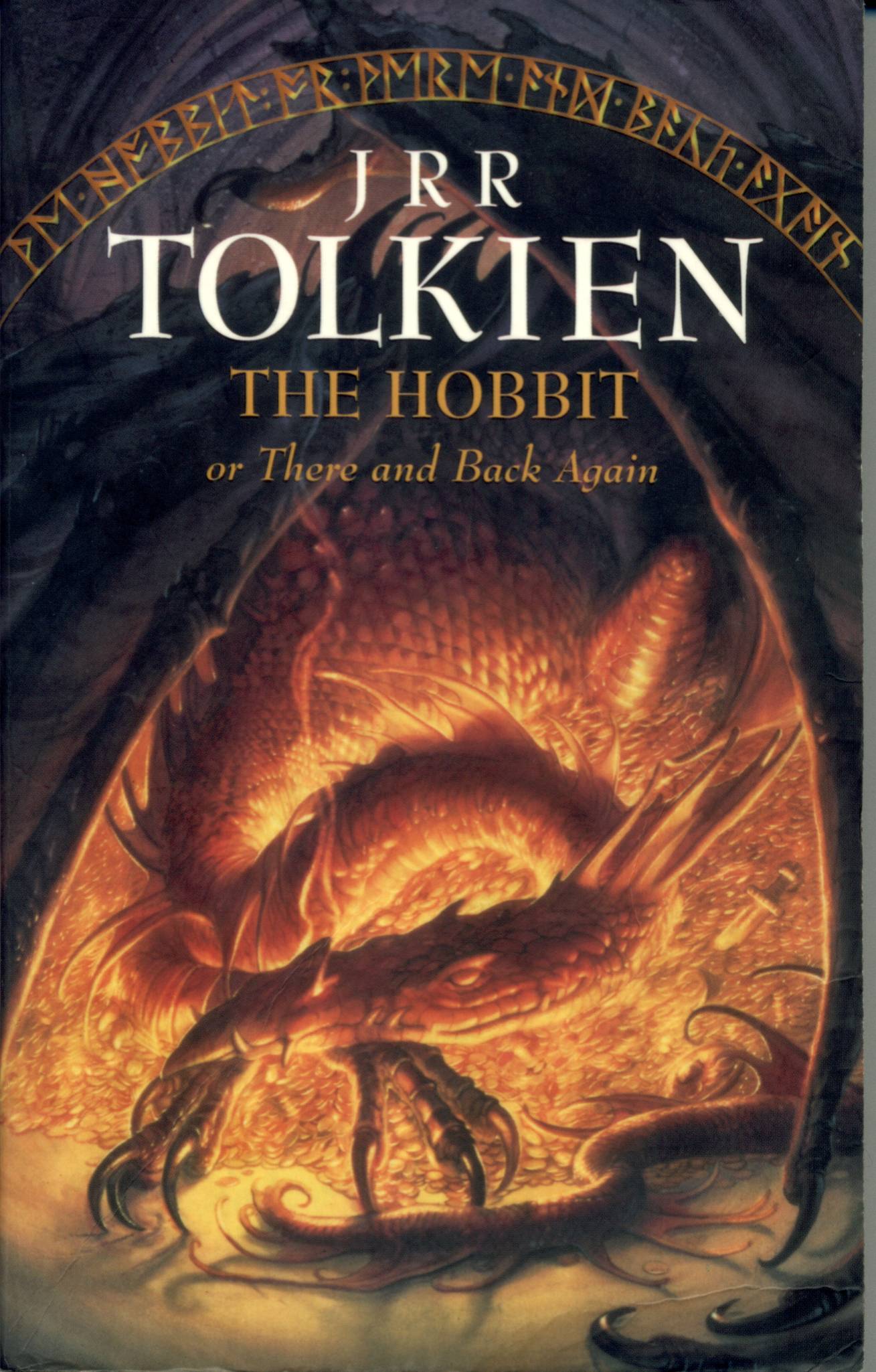
We have to prepare a 30 second promo sort of deal (short story/trailer etc) based within the world of J.R.R Tolkien's "The Hobbit". Having read the book myself, and being a fan of the films, I am hugely looking forward to this project.
After the meeting we all sat and discussed possible ideas for the film, the most popular ideas within the group (myself included) is that a back-story of one of two elements/characters of the original story. We discussed the background stories of either the dragons or the wizards primarily. There are some wizards that are briefly mentioned within "The Hobbit" and "The Lord of the Rings" stories themselves, and so there was possible scope to create a back story of one of these, or to use existing ones.
In the end though the dragons, like they did in the times of the 2nd and 3rd ages, prevailed. We decided to a short back-story of the Dragons leading from the story of their origin and moving through their journey ending with the introduction of "Smaug The Golden".
For the style, the team felt that it would be best to try and keep the "Tolkien feel" as is presented in the books. Kieran, being the almighty fan of the Tolkien tales put forward the idea of using the map as the main style reference, and looking a paper-like/origami sort of feel to the animation and without a doubt, this seemed the best way to achieve this. Although my 2D mind found it hard to picture Tolkien's map in a 3D world, I completely felt that the map-style was undoubtedly the way forward.
With the origami thing, I certainly understood what the intended aesthetic was but I worried that, with origami being a completely different medium in style and appearance, the map feel may be lost within a sort of papery chaos. However, it would lend itself useful for transferring this 2D style into 3D. Undeniably, tests are going to need to be done to see if these elements can work together to achieve the desired effect.
And so our journey begins.
Tuesday, 14 January 2014
Week 16: Mastronauts - Compositing Test
The festivities may have ended a while back, but the testing continues...
A bit bored of tracking, and really wanting to try my hand at Nuke, I decided to try a compositing test. It was suggested to me that I should try this simple Digital Tutors project as it really touches on a lot of compositing elements I will most definitely encounter in the production of our short film.
Again, using the student version of nuke (hence the watermark), I followed the tutorial to get to grips with nodal-based compositing.
The tutorial touched on subjects such as:
Tracking, rotoscoping, colour-correction, roto-painting, lens flare and simulating depth of field for example and I was looking at these basic compositing processes through node graphs/trees. It is, once you start getting used to it, a very organic way of working....however I feel once the graphs/trees start getting quite busy and the compositing becomes more intense, that the process will be a lot more complicated.
Thursday, 9 January 2014
Week 15: Mastronauts - The story
Throughout last semester, Tom, Kieran and I threw together multiple story ideas. The one we had originally had a human character turning into a CG character but this was dropped primarily due to time. We've had several meetings changing the ideas and simplifying them whilst still trying to maintain all of the elements that we need.
The story still utilises a 3D animated character interacting with a live action world.
There is no longer a transformation scene, but there is still plenty to be done. We're aiming to keep it no longer than 1 min 30 seconds, but the shorter the better.
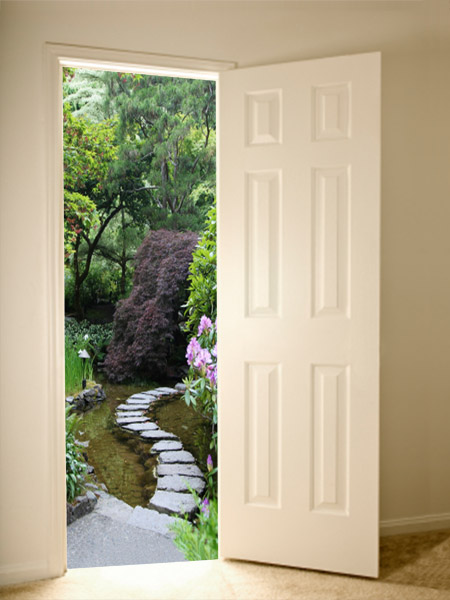
The story is about a male student (played by Tom) who is sitting in a library and getting himself organised to study. As he begins, the a strange creature pops up and steals the something from the student's desk. Then it runs off, and the student chases after it. The story revolves around the CG character's ability to create portals to unlikely places using doorways and so the story ends with the student in an unlikely location, looking back through the door into the library as the creature scurries away to its nest of collected objects.
The story still utilises a 3D animated character interacting with a live action world.
There is no longer a transformation scene, but there is still plenty to be done. We're aiming to keep it no longer than 1 min 30 seconds, but the shorter the better.
The story is about a male student (played by Tom) who is sitting in a library and getting himself organised to study. As he begins, the a strange creature pops up and steals the something from the student's desk. Then it runs off, and the student chases after it. The story revolves around the CG character's ability to create portals to unlikely places using doorways and so the story ends with the student in an unlikely location, looking back through the door into the library as the creature scurries away to its nest of collected objects.
The story was much longer, with the portal idea being used to the fullest but lack of time required us to make a few cuts. However, the elements of the story are still in tact and FINALLY we're all settled on this one.
Now we just need to get started.
Wednesday, 8 January 2014
Week 15: Reflection on Practice
So the Reflection on Practice module begins.
We were asked to think about the research topic/question we concocted from last semester and to illustrate, in the best way we could, how confident we are about that question.
The title of my Poster -
The Role of Visual Effects in Story-telling:
Investigating how Visual Effects and Compositing Can Impact The Perceptive Believability Of Character And Story
certainly seems a bit long and clumsy:

We were asked to think about the research topic/question we concocted from last semester and to illustrate, in the best way we could, how confident we are about that question.
The title of my Poster -
The Role of Visual Effects in Story-telling:
Investigating how Visual Effects and Compositing Can Impact The Perceptive Believability Of Character And Story
certainly seems a bit long and clumsy:

We were asked to illustrate how we felt our question has progressed over the first semester:
Basically, although there was definitely some progress in finding my question,
I was feeling a little unsure of how I was going to take it further. This will definitely require further consideration.
Sunday, 5 January 2014
Holiday Shmoliday: Track test 02
So as I fiddled with the shoe track, I decided I wanted to try and track a moving object in a scene, using the background shots from a Digital Tutors project, I tracked the scene and tried to insert a moving ball in the shot. As you can see, I'm not award-winning animator.
I tried to have the ball look as though it was interacting with the table and then moving within the eye-line of the actors (somewhat). A very basic test, and after the first two with the shoe, I know that I will need to be more aware of slipping and sliding of the objects/characters when tracking.
Friday, 3 January 2014
Holiday Shmoliday: tracking tests
So, my fellow Mastronauts (Tom and Kieran) and I have been doing a few wee tests over the festive period to make ourselves a little more confident in the processes we will be undertaking in the production of our short film.
Using a student version of nuke I've been primarily focusing on tracking.
I used the footage from a Digital Tutors tutorial I was following and tracked the shoes I modelled and textured last semester into the shot.
The coloured noise on the top of the tests is the watermark for the student version of Nuke (as the uni was closed I had to download it onto my laptop)....which in itself doesn't make viewing it very easy, but it was good practice nonetheless.
It wasn't until I got the shot out of Matchmover and into Nuke that I noticed that shoes slide slightly. I found it rather tricky to spot small and gradual sliding in Matchmover.
So in this shot, to test the tracking in nuke itself, and to see if I could make a better track (being locked out of uni which prevented me from being able to re-track and re-render it). I took an image of the shoes and tracked it to the software using Nuke and found that the shoes finally stopped sliding. The track is still not perfect as it wobbles/shakes ever-so-slightly in the shot but this is still an improvement from the last shot.
Subscribe to:
Comments (Atom)